
Digital Camera Revival Supported by Generation A to Z's Powerful Influence in the Digital World
In a surprising turn of events, the younger generations – Gen-Z and Gen-A – are showing a strong affinity for retro trends, as they seek emotional comfort, digital detox, sustainability, and self-expression in a world increasingly dominated by technology.
This resurgence of retro aesthetics, analog formats, and slower digital experiences is not merely a whim, but a thoughtful response to the overwhelming digital landscape. As Casper Ravn-Sørensen, the Chief Growth Officer of GoWish, observes, "What we're seeing now is a partial reversal: a desire for less noise, more focus, and a different kind of authenticity."
The appeal of retro trends lies in their ability to offer a break from the minimalist styles of today, with a grainy, analog feel and vibrant colors that are fresh and emotionally comforting. Gen-Z individuals are opting for "dumbphones" or wired headphones to escape hyper-connectivity and reduce digital overwhelm, while vintage fashion shopping on apps like Depop reflects their focus on sustainability combined with nostalgic styles.
Tech brands are capitalizing on this trend, releasing products styled like old tech, such as Blackberry-like phone cases and iPod-inspired designs, to tap into this market for differentiation and emotional connection. Marketing strategies are also harnessing digital nostalgia, with brands using neon palettes, pixel art, and retro design motifs to evoke nostalgia and build emotional bonds with Gen Z consumers, making old styles feel fresh and relevant.
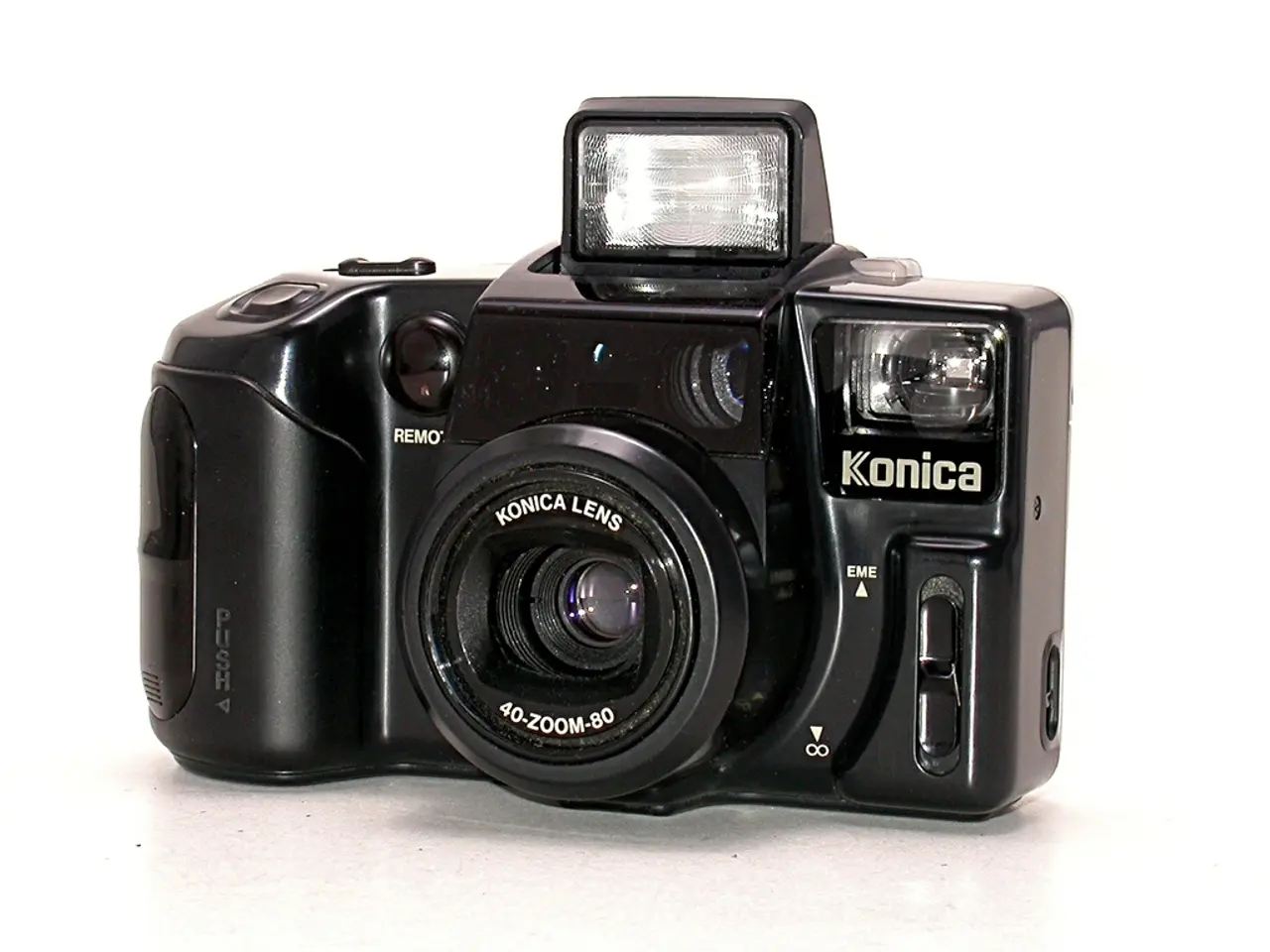
The renewed popularity of digital cameras is a prime example of this trend. Younger consumers are not rejecting technology but reshaping their experience of it. The demand is not for smartphone accessories or fancy DSLR-style cameras, but for digital point-and-shoots. This surge in demand was noticed by major news outlets like the Danish national broadcaster DR, and is even linked to the start of confirmation season in Denmark.
The Forbes Technology Council, an invitation-only community for world-class CIOs, CTOs, and technology executives, acknowledges the importance of understanding these shifts in consumer behavior. Young consumers are looking for tools that support how they want to live, not just what they can do.
In the realm of fashion, trends from the late '90s and early 2000s are making a strong comeback, with Polo shirts like Ralph Lauren leading the charge. This return to analog devices, such as digital cameras, and classic fashion styles is not about rejecting the future, but about redefining it with a focus on simplicity, sustainability, and individual expression.
In the cultural context of Gen-Z and Gen-A, understanding and embracing these retro trends is as crucial as understanding the technological context. Cultural context matters as much as technological context when designing for, marketing to, or understanding these generations. After all, trends can surface from emotions, nostalgia, curiosity, or even fatigue, not just innovation.
Casper Ravn-Sørensen, the Chief Growth Officer of GoWish, echoes this shift, stating, "What we're seeing now is a partial reversal: a desire for less noise, more focus, and a different kind of authenticity." Fashion and beauty trends also follow suit, as Gen-Z individuals choose vintage clothing and accessories from apps like Depop, embracing a lifestyle that combines sustainability with a sense of nostalgia.




