
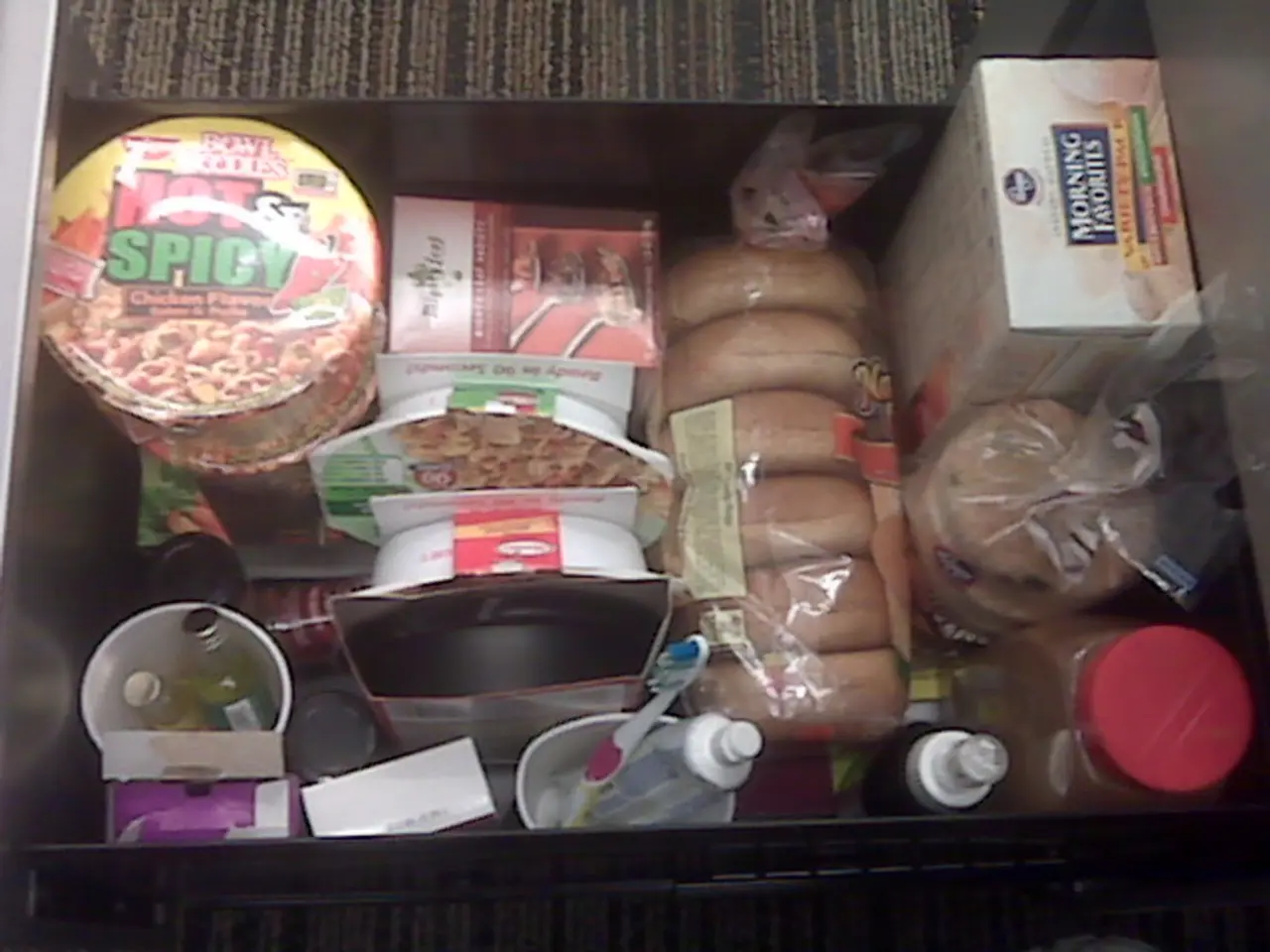
Important supplies for a household emergency preparedness kit
Preparing Your Home Emergency Kit: A Comprehensive Guide
In times of crisis, having a well-stocked home emergency kit can make all the difference. Here's what you should include in your kit to ensure you and your family are prepared for any emergency situation.
First Aid Supplies
A comprehensive first aid kit is the most important component of a home emergency kit. It should include adhesive bandages of various sizes, basic medications like painkillers and antacids, refresher wipes for cleaning wounds, safety pins for clothing repair or emergency sutures, special medications for pre-existing conditions, hand sanitiser, and masks such as N95 if possible. A first aid manual and personal protective equipment should also be included.
Bottled Water and Non-perishable Food
Store at least a three-day supply of bottled water in your home emergency kit. Sufficient drinking water and long-life food to sustain your household for several days is essential. Remember, the human body needs 50 to 80% water for various vital functions.
Lighting
Power is often cut during emergencies, so torches (flashlights) and headlamps with extra batteries should be included in the kit.
Important Documents
Copies of essential documents such as identification, insurance papers, and medical records should be stored in a waterproof container in your home emergency kit. In an emergency, you may not be able to find mobile phone coverage, especially in remote areas, so having copies of these documents can be crucial.
Battery-operated Radio
A battery-powered radio should be stored in the home emergency kit, along with spare batteries. This will help you receive emergency updates and weather information when other communication means fail.
Phone with Charger
Preferably including a portable power bank to maintain communication during power outages.
Protective Clothing
Sturdy shoes, gloves, and weather-appropriate protective clothing to keep safe during evacuations or emergency activities should be included in the kit.
Multi-purpose Tool
A Swiss Army knife or multi-tool can come in handy in a variety of emergency situations.
Spare Cash
Small denomination notes and coins in case electronic payment systems are unavailable.
Essential Toiletries
Basic hygiene items including soap, toothbrush, toothpaste, sanitary products, and toilet paper to maintain cleanliness.
Items for Babies and Pets
For babies, your home emergency kit should contain enough nappies, wipes, food, a bottle, and baby formula for at least three days. Pets should be registered and microchipped, and their registration, microchip, and insurance documentation should be kept in your home emergency kit. Keep enough food and clean water to sustain your pet for at least five days.
Optional but Helpful Additions
Fire starters, signal mirrors, plastic bags, survival blankets, fishing kit components, water purifiers like Puritabs, and wire or rubber bands for emergency repairs or shelter building can also be useful additions to your home emergency kit.
Regular Checks and Updates
Regularly checking and replacing expired items, especially medications and food, ensures the kit remains ready for use. It's recommended to review the home emergency kit's contents every six to twelve months.
This checklist aligns with emergency preparedness advice tailored to climate events and general crisis readiness in Victoria. By following this guide, you can rest assured that you and your family are well-prepared for any emergency situation.
Incorporating essentials for diverse needs, your home emergency kit should also comprise of provisions for food-and-drink, such as enough water and non-perishable food to sustain your household for several days, and pets, ensuring at least five days' worth of food and clean water for them. Additionally, to augment your lifestyle during emergency situations, consider including a multi-purpose tool, like a Swiss Army knife or multi-tool, and essential toiletries, such as soap, toothbrush, toothpaste, sanitary products, and toilet paper to maintain basic hygiene.




