
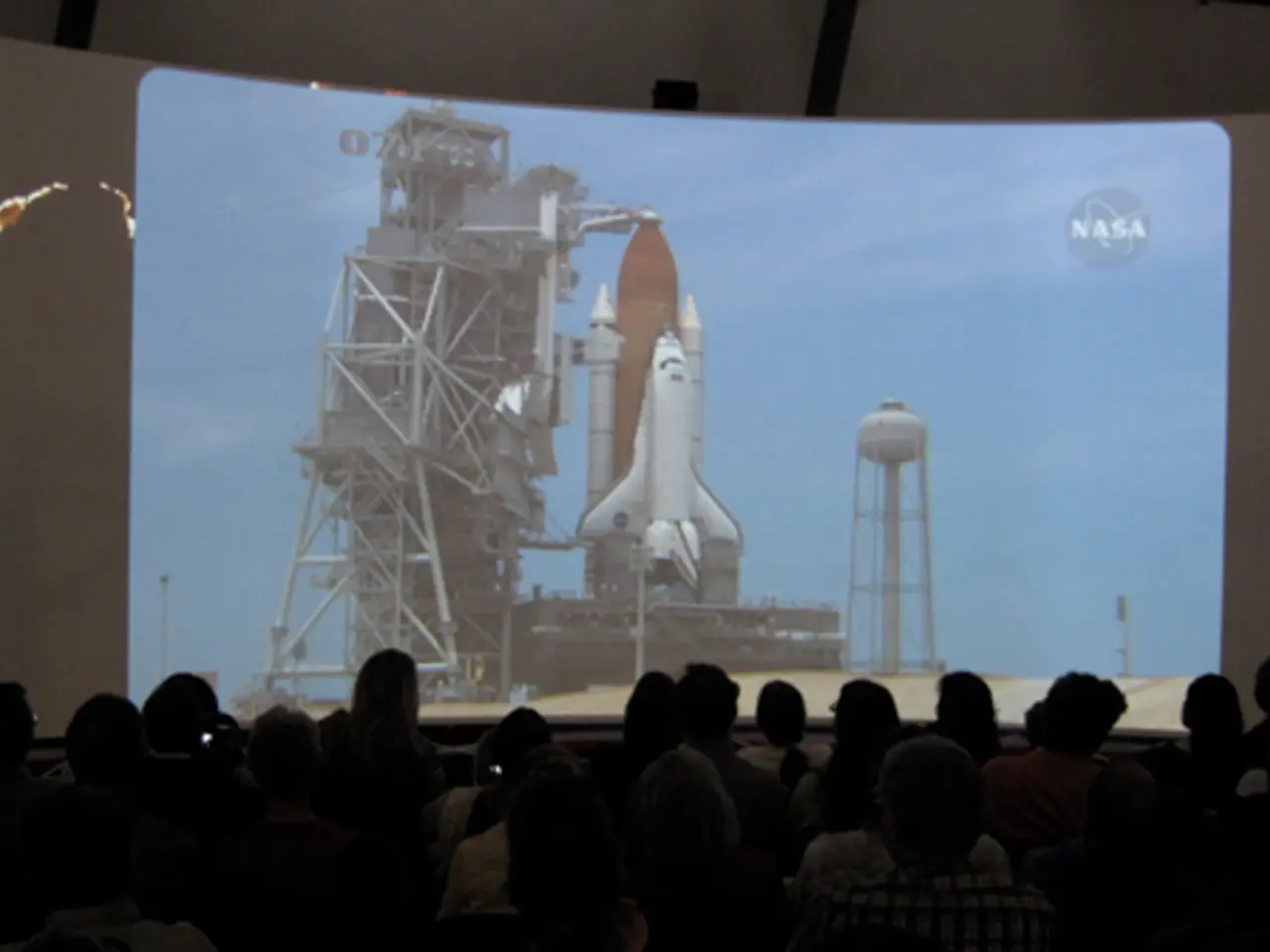
Rocketry Term: Launch Window
Launch windows play a crucial role in the success of space missions, determining the precise timing for a launch to efficiently reach its target orbit or destination, minimize fuel consumption, and ensure safe operations.
Orbital Mechanics and Destination Alignment
The celestial mechanics governing spacecraft trajectories are tightly connected to launch windows, especially for missions beyond low Earth orbit (LEO). For instance, the Artemis II lunar mission involves carefully timed burns and orbit insertions, where missing the precise burn could mean missing the window to enter lunar orbit or return safely. [1]
Mission Trajectory and Orbital Constraints
For missions to the International Space Station (ISS) or satellite deployments, launch windows must align the spacecraft's insertion orbit plane with the target orbit. This alignment is crucial, as Rocket Lab’s Electron launches for constellation deployments must match these orbit requirements to ensure precise satellite placement and successful mission completion. [3]
Spacecraft and Crew Readiness
The readiness state of the vehicle and crew affects the ability to launch within the designated window. For crewed missions like Artemis II, crew preparation the night before launch and reentry is emphasized, as delays can be critical with no room for postponement during certain mission phases, particularly reentry from lunar missions. [1]
Environmental and Technical Factors
Weather conditions, ground support availability, and technical status of launch systems play significant roles. Poor weather or technical glitches can close a launch window, causing delays. For example, Sierra Space’s Dream Chaser spaceplane has faced delays due to extended testing and certification. [2]
The Impact of Launch Windows
Missing a launch window can have a ripple effect on the entire mission timeline, impacting schedules, budgets, and overall mission objectives. Depending on the circumstances, missing a launch window may result in delays of days, weeks, or even months. These delays can cause increased costs, potentially risk the mission's success, and in some cases, lead to the cancellation of a mission altogether. [1][3]
Risks of Launching Outside of a Launch Window
Launching outside of a launch window can increase the risk of encountering obstacles or hazards along the way. For instance, launching outside of a launch window may result in the spacecraft not being able to reach its intended destination or facing significant delays. [2]
In conclusion, launch windows are essential for ensuring space missions are completed safely and efficiently. The capabilities of the spacecraft, the availability of tracking and communication systems, and the environmental conditions all play a role in determining a launch window. Missing a launch window can have severe consequences, underscoring the importance of careful planning and execution in space missions. [2]
- The alignment of the launch window for a space mission, such as the Artemis II lunar mission, is crucial for performing precise burns and orbit insertions, ensuring the spacecraft efficiently reaches its target orbit or destination, minimizing fuel consumption, and maintaining safe operations.
- In the case of satellite deployments, the launch window must align the spacecraft's insertion orbit plane with the target orbit, as demonstrated by Rocket Lab’s Electron launches for constellation deployments, where precise satellite placement and successful mission completion rely on these orbit requirements.




