
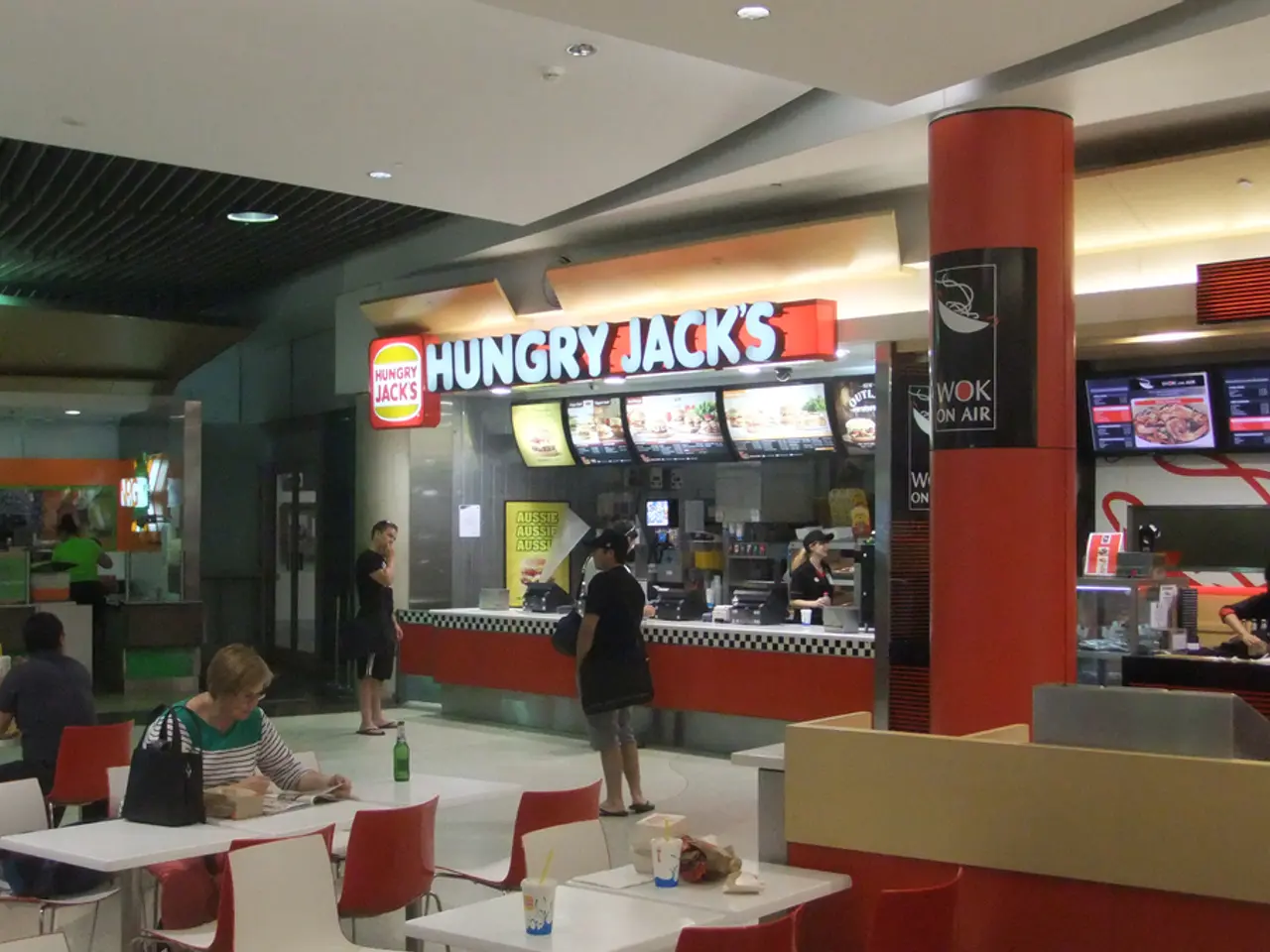
Uncovering the Workings of a Hybrid Restaurant Business Model: Insights Revealed
In the ever-evolving world of food and dining, a new trend is emerging — the hybrid restaurant. These innovative establishments are redefining the way we eat out, merging health-conscious menu items with fast food convenience, and seamlessly integrating multiple service types to cater to a diverse range of consumer preferences.
The hybrid restaurant model combines elements from various dining experiences — such as dine-in, takeout, delivery, and off-site catering — into a single, versatile operation. This integration allows establishments to serve customers through multiple channels simultaneously, adapting in real time to shifting demands and consumer preferences.
One of the key advantages of the hybrid model is its multi-channel service. Restaurants handle walk-in diners, online takeout orders, delivery, and large off-site catering events all within the same day, often operating from multiple locations. Technology plays a crucial role in streamlining this process. Mobile POS systems connect all ordering channels, from in-person to online, delivery apps, and event orders, enhancing speed and food quality consistency.
Menus are also updated dynamically across platforms to manage availability and customer expectations, supporting diverse dining formats from quick service to full catering. Systems support various staff roles and permissions, as well as self-service ordering portals for repeat and corporate clients, balancing automation with personalized service.
The benefits of the hybrid model are numerous. By blending traditional dining with delivery, takeout, and catering, restaurants tap into several markets simultaneously — expanding total potential sales and smoothing revenue volatility. The model appeals to a wider demographic, meeting different consumption preferences — those who prefer to dine in, take food away, or order for events. This is particularly effective for capturing younger crowds who favor convenience and varied experiences.
Customer retention and loyalty are also boosted through the use of CRM and flexible loyalty programs within the hybrid framework. These tools help maintain strong client relationships and repeat business by tailoring interactions and rewards based on customer behavior across channels.
Premium pricing opportunities also arise within this model, as incorporating fusion and experiential dining can generate buzz and attract discerning diners willing to pay more for unique, health-forward, or tech-driven culinary experiences.
Examples of successful hybrid restaurants include Eataly, Sweetgreen, and Panera Bread. Eataly, for instance, combines a retail market, fast-casual dining, and fine dining, while Sweetgreen stands as a leader in using technology to revolutionize fast-casual dining, offering a seamless app-based ordering system.
In conclusion, the hybrid restaurant model creates versatile, adaptive establishments that leverage technology and operational flexibility to optimize service, maximize revenue, and expand their market reach in a highly competitive and evolving foodservice landscape. By catering to a wide range of dining preferences, these establishments are not just redefining the way we eat out — they are redefining the dining experience itself.
- The versatile hybrid restaurant model, such as Eataly and Sweetgreen, is redefining dining, integrating fast food convenience with health-conscious menu items across multiple service types, including dine-in, takeout, delivery, and catering.
- To support this seamless integration, digital tools like mobile POS systems connect all ordering channels, ensuring speed, food quality consistency, and real-time adaptability to shifting consumer preferences.
- By catering to a diverse range of dining preferences, the hybrid model taps into several markets simultaneously, expanding total sales, smoothing revenue volatility, and appealing to a wider demographic, including those who favor convenience and varied experiences.
- To retain and strengthen customer relationships, these establishments utilize CRM and flexible loyalty programs that personalize interactions and rewards based on customer behavior across channels, boosting customer retention and loyalty.




